Your Action Building is engineered from the ground up for stability and longevity, starting with its foundation. Because we deliver our buildings fully assembled and level them on-site with solid concrete blocks, you begin with a secure and stable base. However, the ground beneath your shed is not static. Performing simple, periodic maintenance on your foundation will protect your investment and ensure your shed remains structurally sound for decades.
This guide will walk you through the essential steps for maintaining your shed's foundation, from managing water to conducting routine inspections.
Why Foundation Maintenance Matters
Think of your shed's foundation as its anchor. If the ground shifts, settles, or erodes, it can put stress on the entire building. This can lead to issues like:
- Sticking Doors and Windows: Misaligned doors that are difficult to open or close are often the first sign that a building is no longer perfectly level.
- Uneven Floor Wear: A building that has settled can cause the floor to bow or creak under pressure.
- Structural Stress: Over time, an unlevel foundation can put undue strain on the steel frame, welds, and siding of your shed.
Proactive maintenance prevents these minor issues from becoming significant problems, safeguarding the structural integrity of your building.
1. Master Your Drainage
Water is the single biggest threat to any foundation. Proper drainage is not just a one-time setup; it requires ongoing attention to prevent soil erosion and settling.
- Keep Gutters Clear (If Applicable): If your building has gutters, ensure they are free of leaves and debris so water can flow freely away from the foundation.
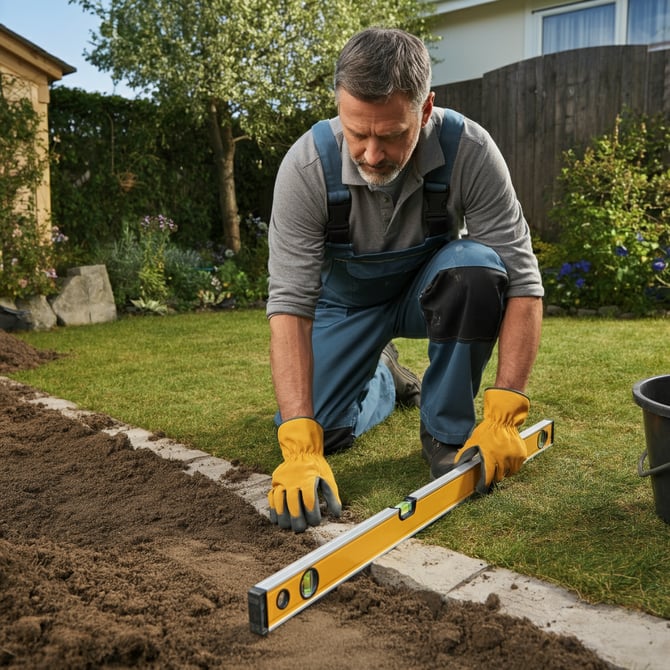
- Inspect the Ground Slope: Periodically check that the ground around your shed still slopes away from the structure. Over time, soil can compact and create low spots where water can pool. Fill in any depressions with soil to maintain a positive grade.
- Avoid Piling Debris: Never allow leaves, mulch, or firewood to accumulate against the base of your shed. This traps moisture against the foundation, which can soften the soil and encourage erosion.
2. Conduct Periodic Visual Inspections
A few times a year, particularly after heavy rain or a seasonal thaw, take a few minutes to inspect your foundation. A quick walk-around can reveal a lot.
- Check the Support Blocks: Look at the concrete blocks supporting your shed. Are they still level and firmly planted? Check for any signs of cracking or shifting.
- Look for Gaps: Examine the area between the ground and the base of your shed. If you see new or widening gaps under one side of the building, it's a clear indicator that the ground has settled.
- Test Your Doors and Windows: Regularly open and close all doors and windows. If you notice they are beginning to stick or have become difficult to latch, it's a strong sign that your building may need to be re-leveled.
3. Know When to Re-Level Your Shed
Even with perfect preparation, the ground in Alabama and Georgia can settle over time due to cycles of rain and drought. Re-leveling your shed is a standard maintenance task that corrects this settling.
What are the signs you need to re-level?
- Doors and windows that stick, jam, or no longer latch properly.
- Visible gaps appearing under the foundation blocks.
- A noticeable slope in the floor when you walk inside.
By taking these straightforward steps, you can easily extend the life of your shed's foundation. A little attention to drainage and a few quick inspections a year are all it takes to ensure your Action Building remains a stable, secure, and valuable addition to your property for a lifetime. If you haven’t built your foundation yet, be sure to use our site prep checklist to ensure your foundation will last the lifetime of your shed!